Tropical Fruit 3.0: A Lush Paradise for Your Designs
There’s a specific feeling you get when you bite into a perfectly ripe piece of fruit on a hot day—a burst of flavor, an explosion of color, an immediate sense of refreshment. Capturing that sensory experience in a design project is no small feat. That’s where a visual asset like Tropical Fruit 3.0 comes in. It’s not just a collection of images; it’s a curated illustration set designed to inject that very feeling of vibrant, exotic life into your work. This isn't your generic clipart. It’s a carefully crafted digital toolkit for creatives who understand the power of a strong visual identity.
More Than Just Fruit: Understanding the Illustration's Personality
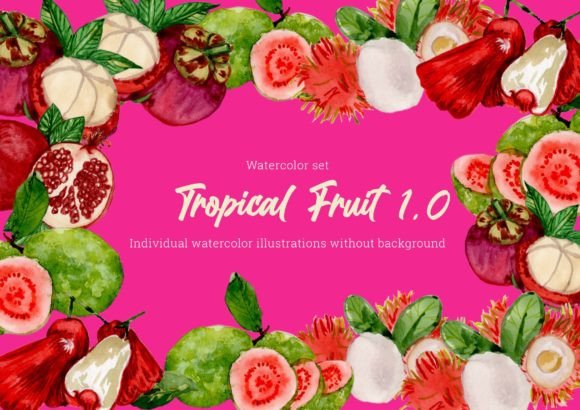
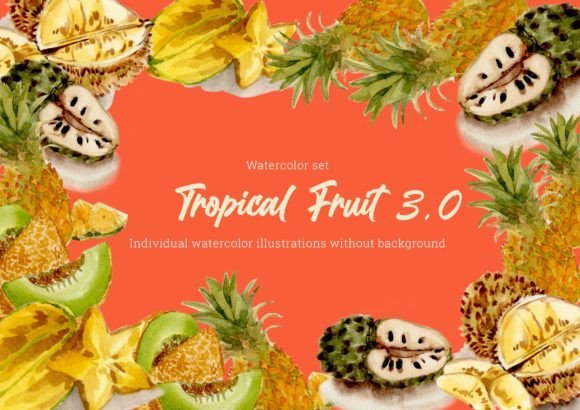
At its core, Tropical Fruit 3.0 is a premium set of digital illustrations featuring a specific, compelling assortment: Star Fruit, Melon, Pineapple, Soursop, and Durian. The selection is intentional. It moves beyond the expected apple and orange to showcase fruits with unique textures, forms, and stories. The Star Fruit offers geometric elegance, the Pineapple provides rugged texture, the Soursop brings a soft, mysterious allure, and the Durian adds a bold, controversial character. The Melon ties it all together with classic, juicy appeal.
The style itself is where the magic happens. The illustrations strike a perfect balance between detailed realism and artistic interpretation. You can almost feel the spiky exterior of the durian and the fuzzy skin of the soursop. The colors are saturated and true-to-life, capturing the deep greens, vibrant yellows, and rich purples found in a tropical market. This isn’t flat, sterile vector art. There’s a sense of depth and dimension that makes the fruits feel tangible and ripe for the picking. The overall personality is one of confident, joyful abundance—a celebration of nature’s more dramatic offerings.
Where This Tropical Flair Truly Shines
The versatility of a well-executed illustration set is what gives it lasting value. Tropical Fruit 3.0 is a design asset that can adapt to numerous contexts, solving specific creative challenges along the way.
For branding and logo design, a single, stylized fruit from the set can become a powerful, recognizable mark. Imagine a high-end juice bar using a minimalist Pineapple icon, or a specialty grocery store incorporating the Star Fruit into its wordmark. It provides an instant visual shorthand for freshness, quality, and a touch of the exotic.
In packaging design, these illustrations can transform a product. A line of salsas, jams, or even craft beers can use the fruit imagery to communicate flavor profiles directly and beautifully. The artwork elevates the product from something on a shelf to an experience, telling a story of ingredients and origin before the customer even takes a taste.
For digital and web design, the applications are equally broad. A food blogger can use them as featured images to make recipes pop. A travel agency’s website can use them in banners to evoke a specific destination’s atmosphere. As social media graphics, they are stop-scrolling content—bright, engaging, and perfect for promoting summer menus, wellness tips, or product launches. The high-resolution nature of the files ensures they look sharp on any screen, from a smartphone to a large desktop monitor.
Beyond commercial use, these illustrations are perfect for editorial design, stationery, and personal projects. They can add a stunning visual element to a cookbook layout, a magazine article on global cuisine, or a set of greeting cards. For crafters and hobbyists, they offer a professional-grade resource for creating invitations, posters, or custom art prints that have a polished, gallery-worthy feel.
Making It Work: Practical Guidance for Your Project
Choosing the right creative font or illustration is about more than just aesthetics; it’s about strategic fit. Here’s how to approach integrating Tropical Fruit 3.0 into your workflow effectively.
First, evaluate the project’s voice. Is your brand playful and energetic, or sophisticated and serene? The bold colors and dynamic shapes of these illustrations lean towards vibrant, confident, and joyful communication. They might be a perfect fit for a fitness brand promoting natural energy, but perhaps less so for a minimalist law firm’s website. Always start with the core message you need to convey.
Next, consider font pairing and visual hierarchy. A strong illustration needs a strong typographic partner. If you’re using a bold Pineapple graphic as a header, you might pair it with a clean, modern sans serif font for body text to maintain readability. Conversely, the elegant lines of the Star Fruit could complement a delicate script font for a wedding invitation design. The key is contrast and balance—letting the illustration and typography support each other without competing.
Don’t overlook the technical and licensing details. A professional-grade asset like this typically comes with multiple file formats (like PNG with transparent backgrounds, AI, or EPS) to give you flexibility in editing and application. Understand the commercial license. Most reputable design assets offer a license that covers a wide range of uses, from digital ads to printed merchandise, but it’s always your responsibility to review the terms to ensure they align with your specific project, especially for large-scale commercial distribution.
Finally, test in context. Don’t just place the illustration on a blank artboard. Mock it up on a business card, a website header, a product label, or a social media post. See how it interacts with your chosen colors, fonts, and other design elements. Does it enhance the overall composition or overwhelm it? Does it maintain its clarity and impact at the size you intend to use it? This step of practical application is what separates a good idea from a great final design.
In a digital landscape saturated with generic visuals, investing in high-quality, distinctive design assets is a direct investment in your brand’s clarity and appeal. Tropical Fruit 3.0 offers more than just pretty pictures; it provides a versatile visual language of freshness, vibrancy, and exotic allure. By thoughtfully integrating it into your projects, you can create work that doesn’t just look good, but feels genuinely alive.